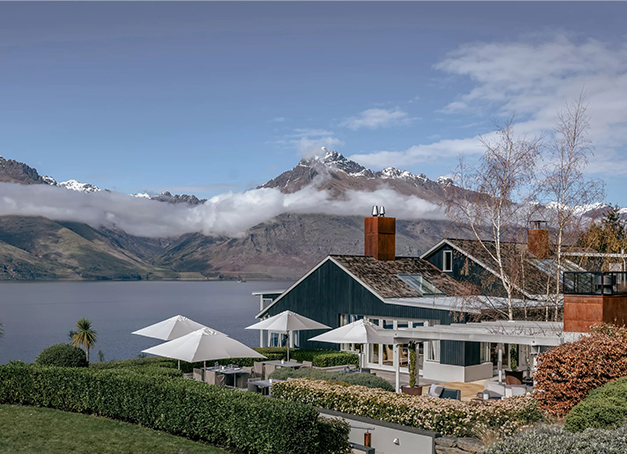
New Zealand has a unique and dynamic culture. The culture of its indigenous Maori people affects the language, the arts, and even the accents of all New Zealanders. Their place in the South Pacific, and their love of the outdoors, sport, and the arts make New Zealanders and their culture unique in the world.
Currency
[Converter]
New Zealand's unit of currency is the New Zealand dollar (NZ$). Coins have
values of 5, 10, 20 and 50 cents, $1 and $2; notes have values of $5, $10, $20,
$50 and $100.
There is no restriction on the amount of foreign currency that can be brought
in or taken out of New Zealand. However, every person who carries more than
NZ$10,000 in cash in or out of New Zealand is required to complete a Border
Cash Report.
Foreign currency can easily be exchanged at banks, some hotels and Bureau de
Change kiosks, which are found at international airports and most city centres.
All major credit cards can be used in New Zealand. Travellers Cheques are
accepted at hotels, banks and some stores.
Exchange Rates
You can calculate the value of your currency in NZ Dollars using this currency
converter.
The rate you are offered in your home country is likely to differ slightly.
The Reserve Bank of New Zealand provides a monthly online summary of the New
Zealand Dollar's average value against the US Dollar, the Pound, the Australian
Dollar, the Yen and the Euro.
Banking
Banks are open from 9.30am to 4.30pm Monday to Friday. Automated Teller
Machines (ATM) are widely available at banks, along main shopping streets and
in malls. International credit cards and ATM cards will work as long as they
have a four-digit PIN encoded. Check with your bank before leaving home.
Goods and Services Tax
All goods and services are subject to a 12.5 percent Goods and Services Tax
(GST) included in the displayed price. Visitors cannot claim this tax back,
however when a supplier ships a major purchase to a visitor's home address the
GST will not be charged.
Tipping and Service Charges
New Zealanders do not expect tips for normal service - even in restaurants and
bars. However, tipping for extra special service or kindness is at the
discretion of the visitor. Hotels and restaurants in New Zealand do not add
service charges to their bills.
Passport and Visa Requirements
All visitors to New Zealand must carry a passport that is valid for at least
three months beyond the date you intend to leave the country.
Visa Exemptions
You do not need a visa or permit to visit New Zealand if you are:
A New Zealand citizen or Resident Permit holder
An Australian citizen travelling on an Australian passport
An Australian resident with a current Australian resident return visa
A citizen of a country which has a visa waiver agreement with New Zealand
Visa Waivers
Currently travellers from more than 50 countries do not require a Visitor's
Visa for stays less than three months. You do require:
A passport that is valid for at least three months after your planned departure
from New Zealand
An onward or return ticket to a country that you have permission to enter
Sufficient money to support yourself during your stay - approximately NZ$1000
per month per person
To find out if your country qualifies for a visa waiver, check out the Visiting
New Zealand section of the New Zealand Immigration Service website, where
you’ll find a list of all eligible countries and other useful visa
information. Your travel agent, airline or nearest New Zealand Embassy will
also be able to advise you if you require a visa.
British citizens and other British passport holders who have evidence of the
right to live permanently in the UK may be allowed to stay in New Zealand for
up to six months.
Visitor's Visa Applications
If your country is not on the visa waiver list, or you wish to stay longer than
three months, you will need to apply for a Visitor's Visa. You can download
application forms from the New Zealand Immigration Service website, or contact
your nearest New Zealand Embassy.