Kupe - Kupe and his crew, in his waka Matahourua, voyaged deep into the Southern Ocean. He discovered Te Ika-a-Maui, and it was his wife Kuramarotini who called the land 'Aotearoa' (land of the long white cloud). The first landfall of the waka Matahourua was the shores of the Hokianga Harbour.
Many of the tribes-people of Northland trace their ancestry back to Kupe. Maori people lived throughout Northland in kainga (villages). As today, they felt an intense closeness to their kin. They lived within the whanau (immediate family) and then within their extended family, called the hapu. The largest group they called iwi (tribe). They did not think of themselves as one people, they belonged to their tribes - Ngati Whatua, Nga Puhi, Te Roroa, Ngati Wai, Ngati Kuri, Te Aupouri, Ngaitakoto, Ngatikahu and Te Rarawa.
Explorers, traders and missionaries - Europeans began living in Northland in the
late eighteenth century.
They came first on voyages of scientific exploration, soon to be followed by
traders seeking deep sea whales and seal colonies. Missionaries headed the next
wave of arrivals. On Christmas Day in 1814, on the northern shores of the Bay
of Islands, Samuel Marsden preached the first Christian sermon in New Zealand.
Soon mission stations were established throughout the region.
In the early 1850s, five ship-loads of Gaelic-speaking Highlanders settled at
Waipu on the east coast to create their own slice of Scotland. On the west
coast, emigrants from Dalmatia lived a down to earth life digging gum. And
throughout the region, colonists from England, Ireland, Wales and Scotland
arrived to mill the forests and establish farms.
History that can still be seen - Historically significant sites abound in
Northland. From a Maori perspective, the pa sites of Kororipo and Ruapekapeka
in the Bay of Islands are culturally and spiritually important. E uropean
history can be appreciated with visits to the Stone Store and Kemp House in
Kerikeri - respectively the oldest stone building and the oldest house in New
Zealand. At Waitangi you can view a copy of the treaty that tied together the
lives of European and Maori people when it was signed in 1840. Across the
harbour from Waitangi lies Russell which was once a place of roughly spoken
sailors, grog shops and bawdy houses. It was known as "the hell hole of
the Pacific".
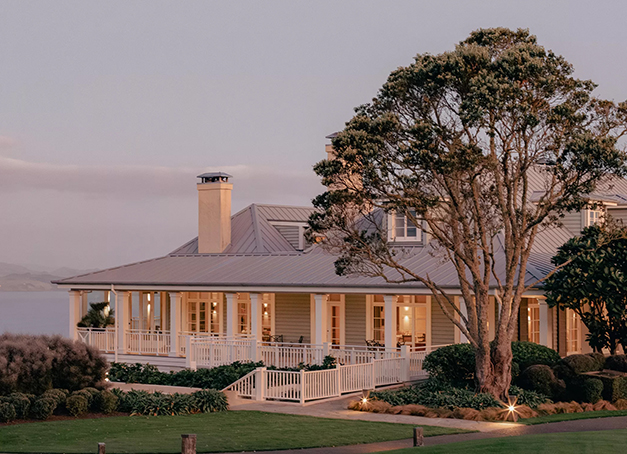
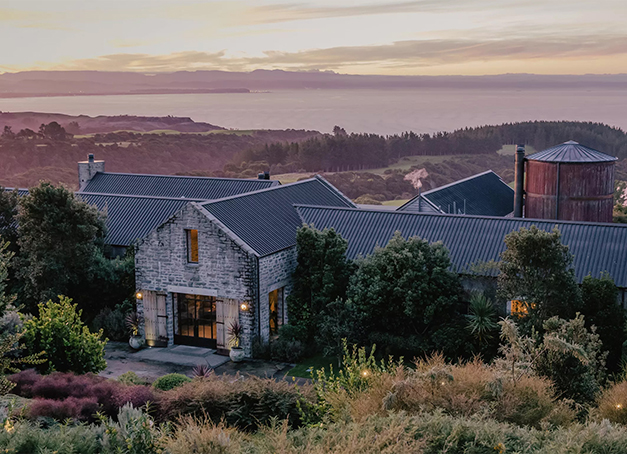
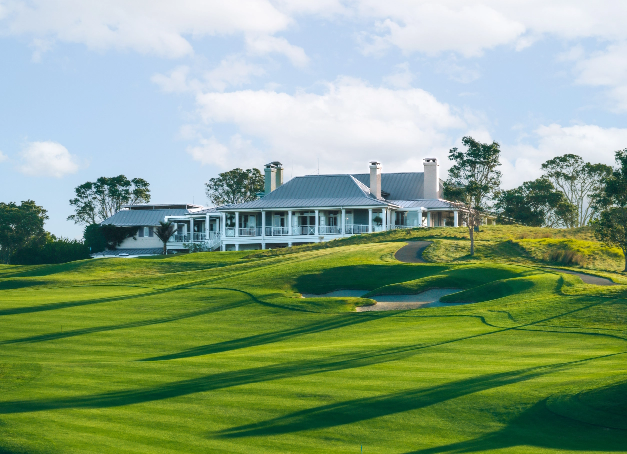
Throughout your Northland travels, you'll see that the history of the region gives character to the landscape. Quaint white churches, grand old homesteads, tiny wooden cottages, pa sites carved intomountain tops and peninsula headlands. Poignant reminders of a fascinating past. The magical essence of Northland's colourful past is preserved in historic buildings and places waiting for you to explore. Much of Northland's hundreds of miles of coastline remain unspoilt, an aquatic paradise, a truly amazing playground and experiential ecological classroom, encompassing ancient kauri forests, windswept harbours and a host of other natural experiences.